Steel Design and Architecture for Exterior Facades
Written by Engineer Ivanna Rincon
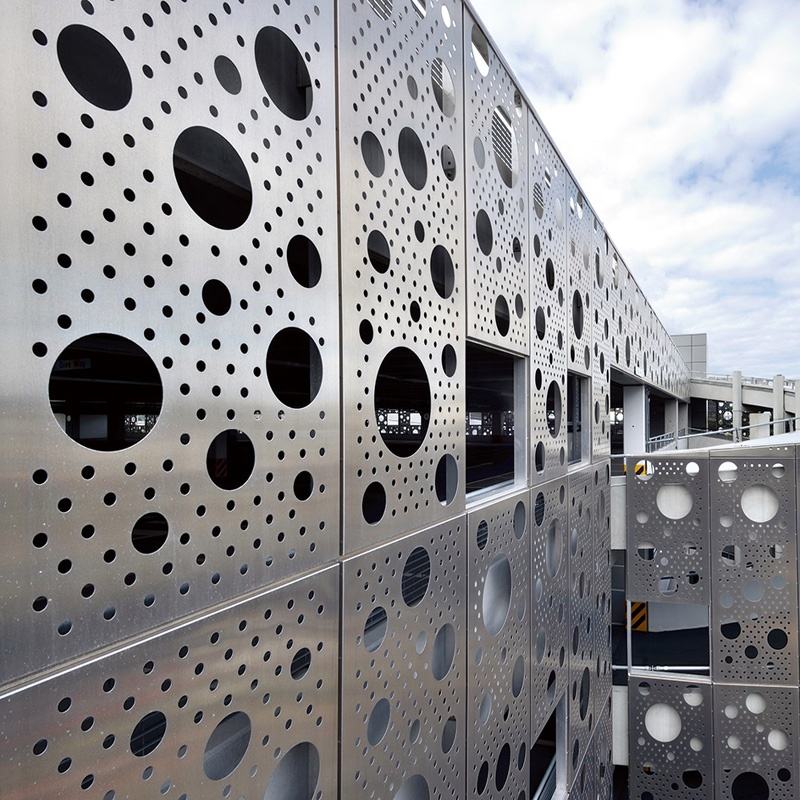
Metal facades offer immense construction possibilities, which is why they are a leading trend in architecture and facade design worldwide. Whether utilizing expanded metal, perforated metal panels, aluminum grilles, or architectural corrugated sheeting, all represent one of the best options for exterior cladding materials.
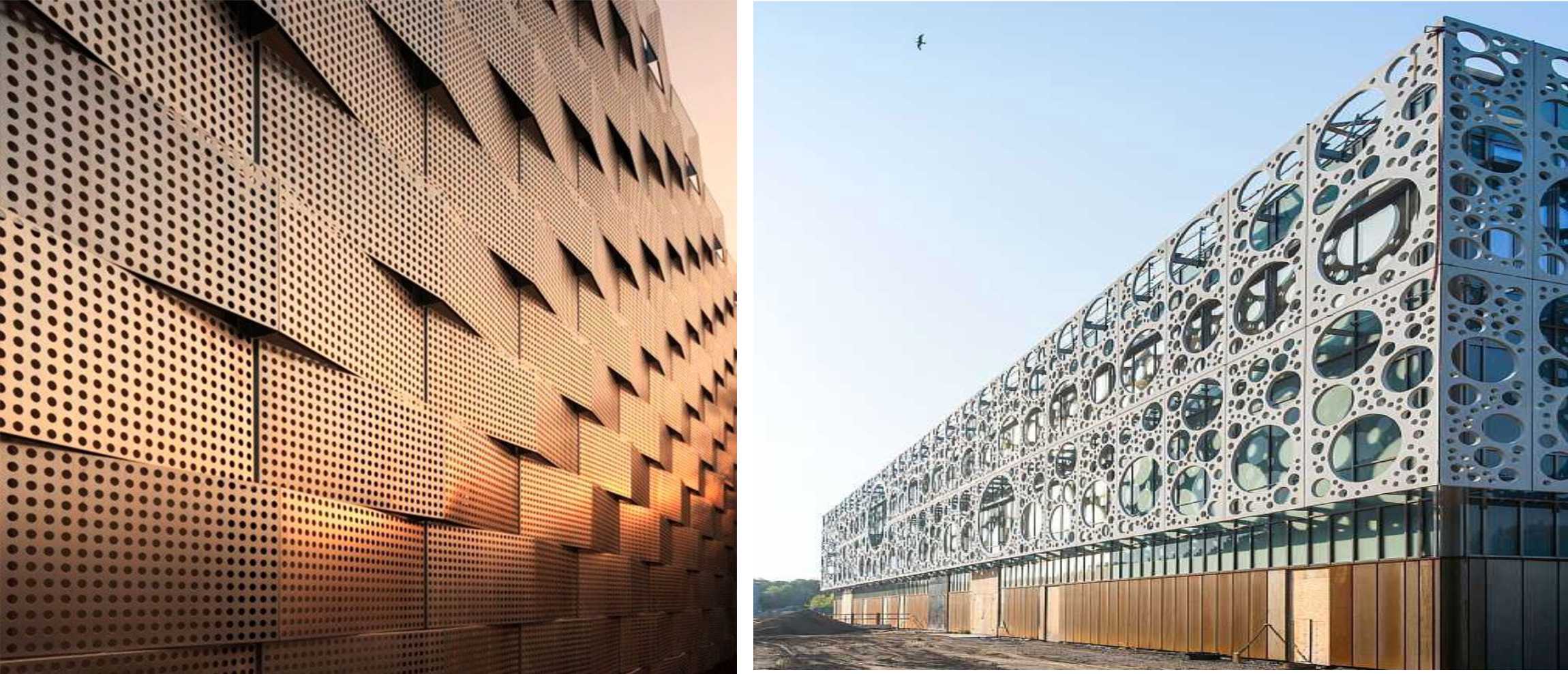
Steel facade cladding serves as an ideal application for enhancing industrial, commercial, and residential buildings whether in renovation projects or new construction.
These are advanced, comprehensive, and integrated architectural systems. Curtain walls and facade cladding can be oriented vertically or at an incline, and may be combined with glass, ceramics, Corten steel, titanium-zinc, aluminum, composite materials, wood, and other elements.
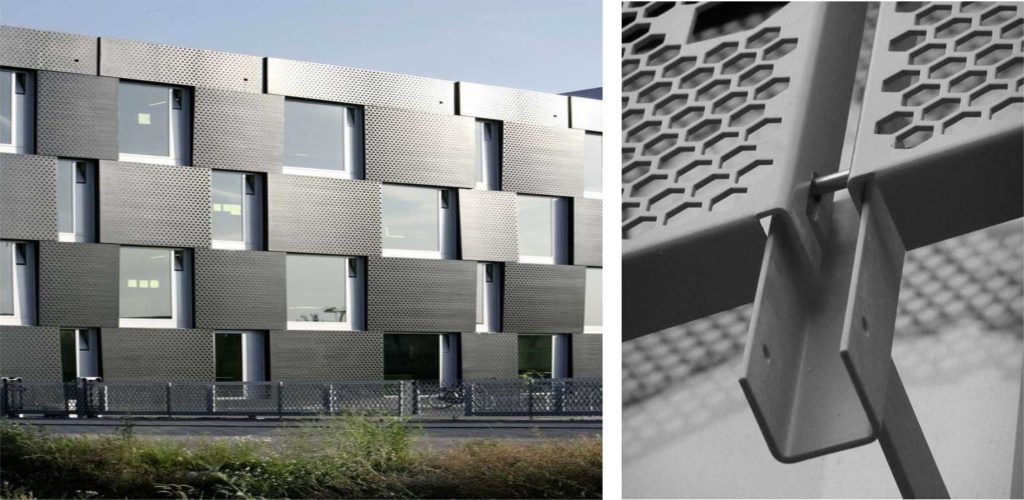
Perforated metal cladding protects buildings while defining their architectural character. This exterior skin shields the underlying structure from the elements, facilitates air circulation around the building, and allows natural light to pass through. Its versatility enables architects to create facades that range from minimalist to expressive by varying patterns and colors, and by applying different finishes. Whether flat or curved, it can be mounted onto structural frameworks and combined with integrated insulation systems for enhanced energy efficiency. Beyond protection, it also offers potential for branding: patterns that mirror a company’s logo or cultural symbolism can seamlessly merge corporate identity with design integrity.
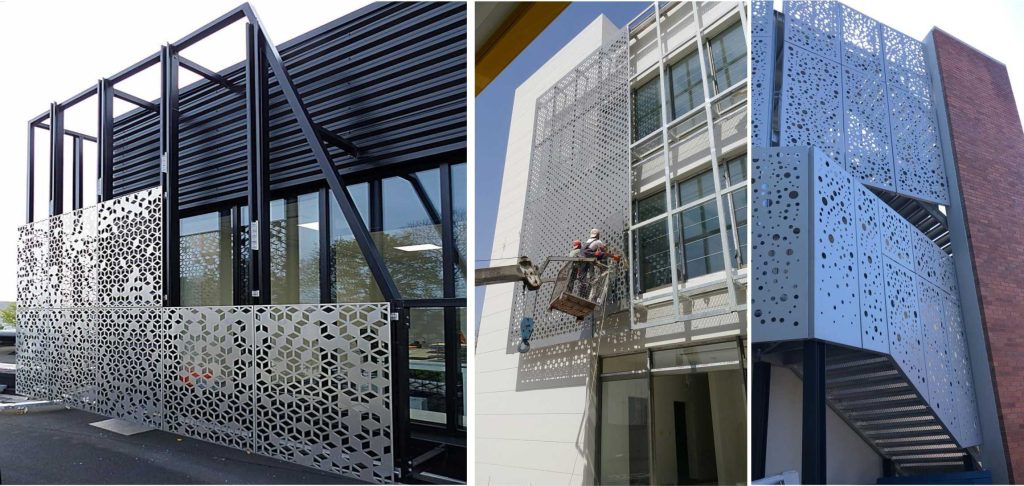
Modern designers are increasingly utilizing perforated facades as distinctive elements in urban architecture. These facades allow light to filter through softly, reducing glare while maintaining privacy and thermal control. At night, they transform into illuminated canvases that glow with ambient light, creating stunning urban landscapes. Whether for museums, hotels, shopping centers, or municipal buildings, perforated facades offer the perfect blend of transparency and protection. Today, many architects collaborate with suppliers of perforated sheets to develop custom perforation patterns that reflect the unique identity of each building.
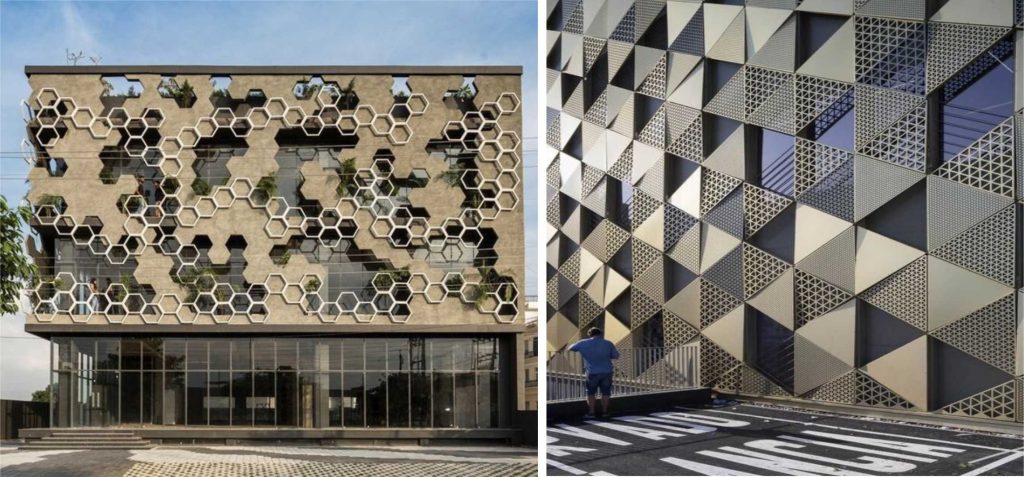
Integrating Perforated Panels into Sustainable Design
Environmental sustainability has become a fundamental pillar of architectural innovation. Perforated panels naturally contribute to this trend; by regulating sunlight, they reduce the need for artificial cooling and, consequently, energy consumption. Manufactured from recyclable materials such as aluminum, steel, or copper perforated systems align perfectly with sustainable building certifications.
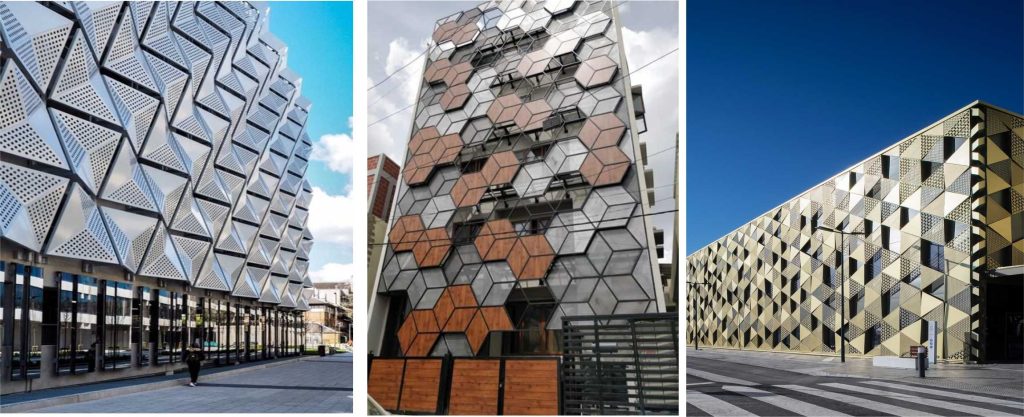
In interior applications, perforated metal panels also offer functional advantages: they are moisture resistant, easy to clean, and retain their attractive appearance for decades. When used in high-traffic areassuch as airports or shopping malls, for instance perforated steel ceilings outperform conventional gypsum or wood products due to their durability and fire resistance. A perforated panel with the appropriate coating requires very little maintenance, thereby minimizing long-term operating costs.
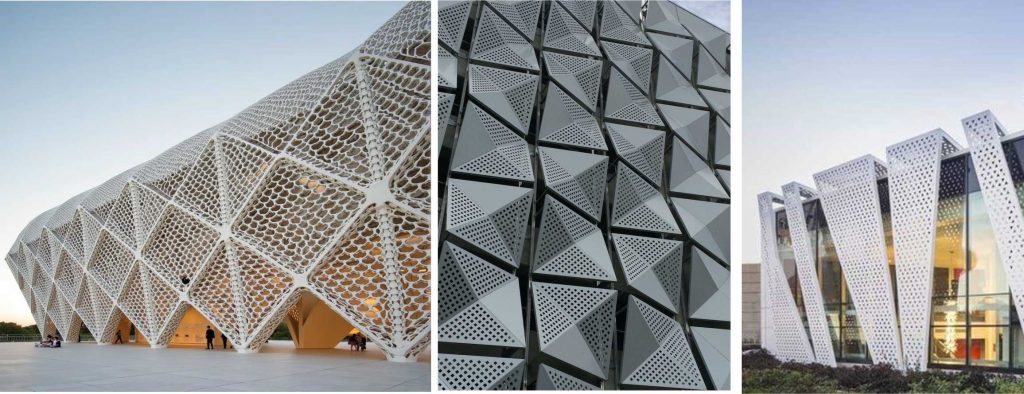
Architectural perforated metal continues to redefine the boundaries of design. It serves simultaneously as an artistic expression and a high performance construction solution. Supported by professional suppliers of perforated sheets and customizable manufacturing technology, architects and developers can transform metal into living architecture architecture that breathes light, air, and rhythm. To explore customizable perforated metal cladding and facade solutions for your next project.