BENEFITS OF USING STRUCTURAL IRON PROFILES IN CONSTRUCTION
Written by Engineer Ivanna Rincon
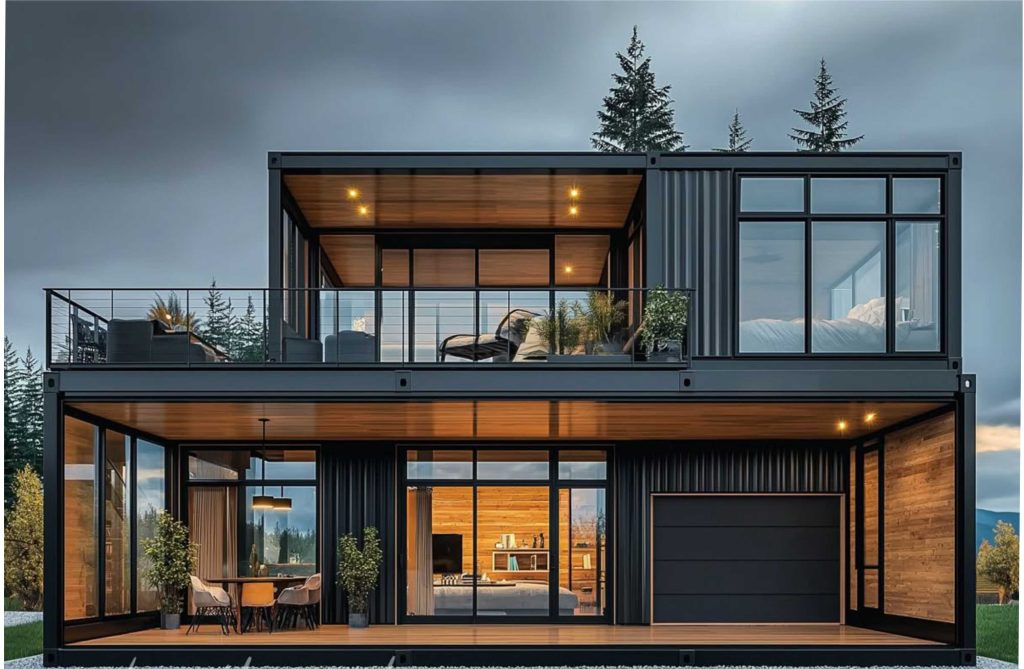
Construction with steel profiles represents one of the most efficient and modern solutions in today’s building industry. Its increasing adoption in residential, commercial, and industrial projects is due to clear advantages that directly impact costs, structural safety, spatial design, and construction speed.
From an economic standpoint, the use of steel structures allows for better financial planning of the project. As a dry construction system with high precision, it significantly reduces material waste, unproductive time, and costs associated with on-site errors. Furthermore, the lighter weight of the structure reduces foundation requirements, generating additional savings. In the long term, steel offers low maintenance costs, high durability, and an excellent cost-to-service life ratio.
Structurally, steel stands out for its high strength and ductility. This allows for the construction of safer buildings that are more resistant to wind loads, seismic activity, and dynamic stresses, surpassing the performance of traditional systems. Its predictable behavior and manufacturing according to technical standards guarantee quality, stability, and structural reliability, even in large-scale projects.
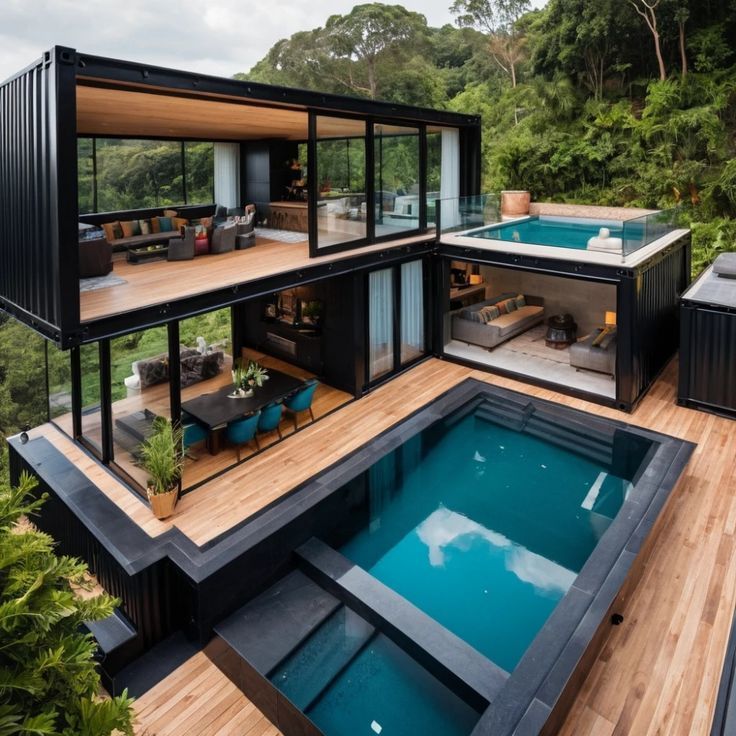
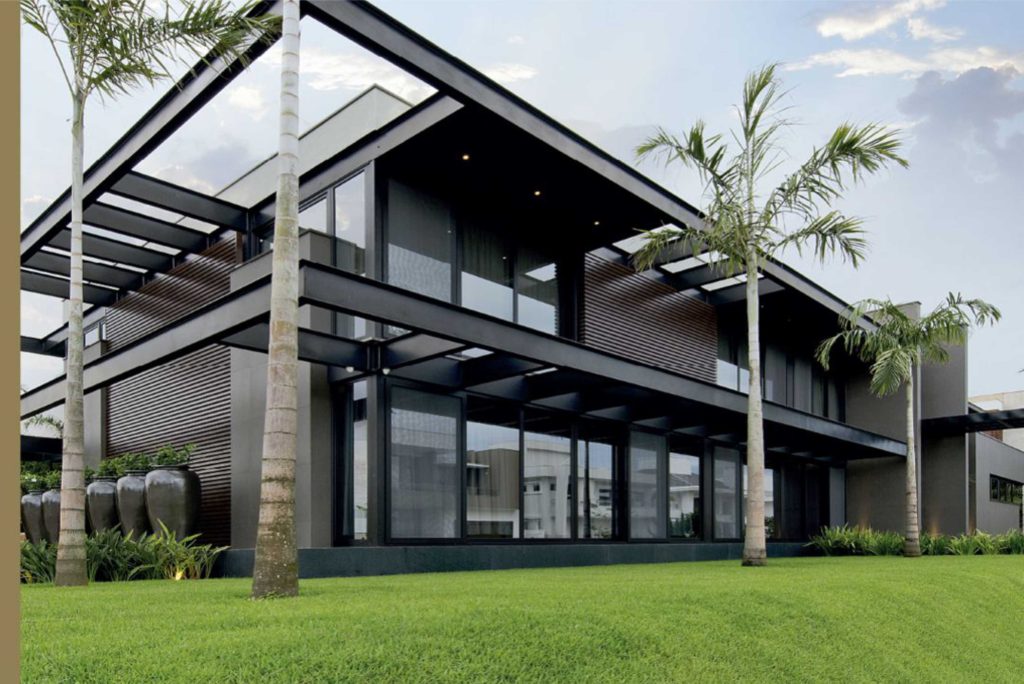
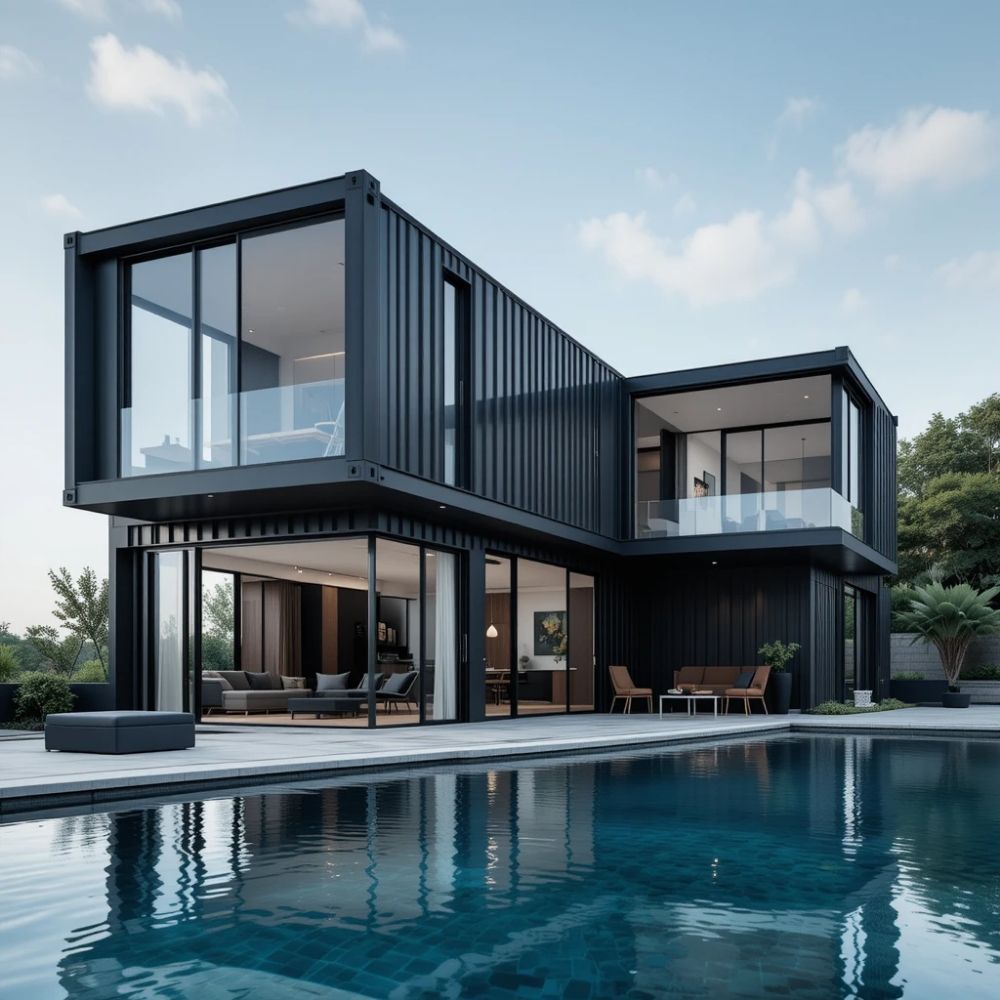
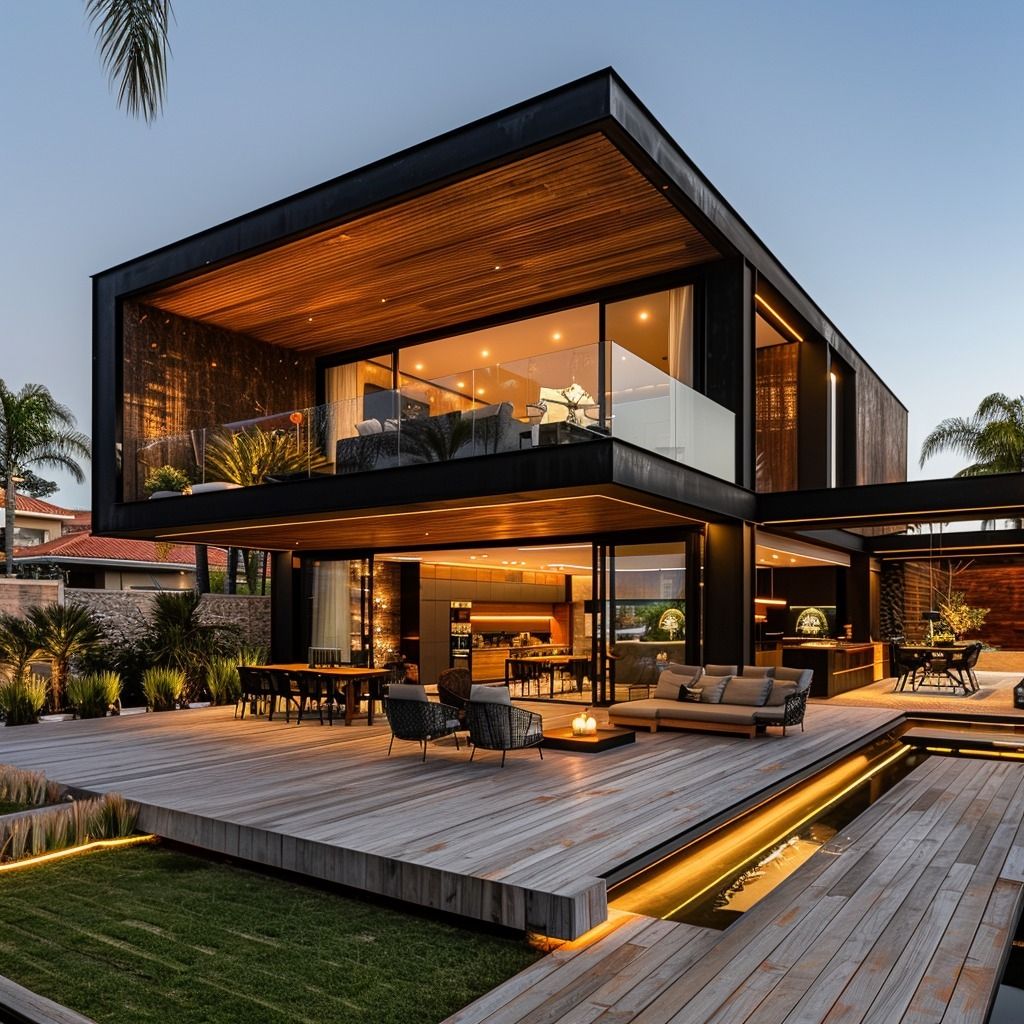
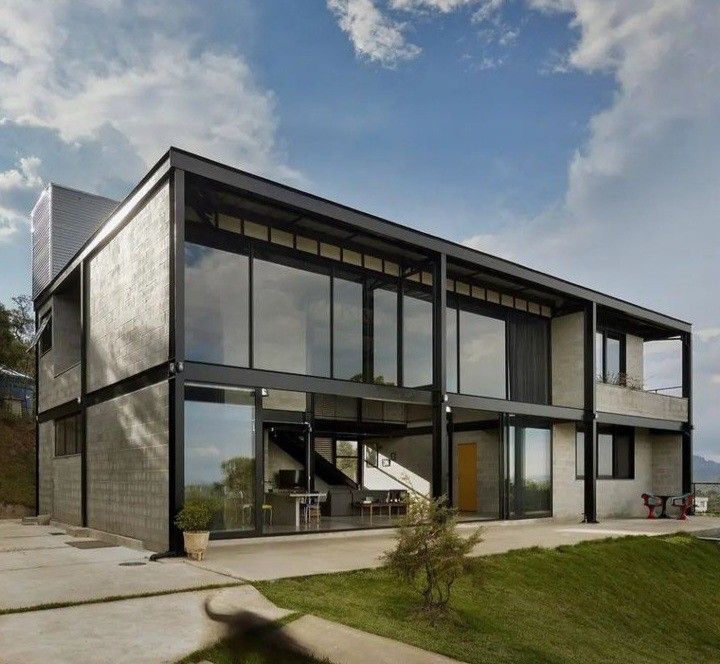
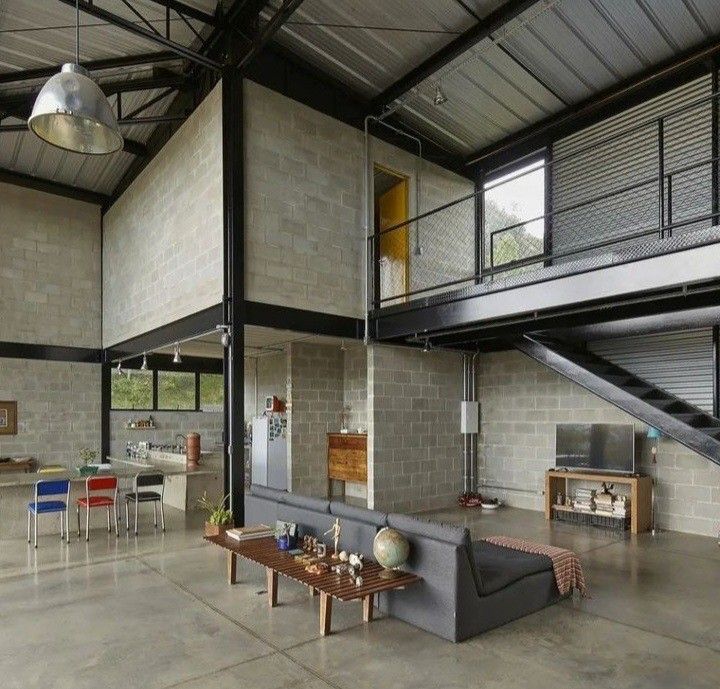
One of the most visible benefits is the architectural flexibility achieved with this system. Steel profiles allow for larger spans and fewer columns, creating open, functional, and modern spaces. This flexibility facilitates contemporary designs, greater utilization of usable space, and the possibility of future expansions without compromising the existing structure.
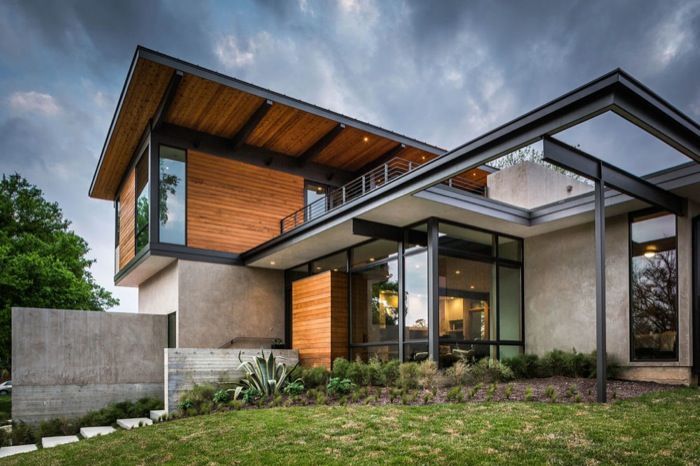
Finally, construction speed is a decisive advantage. Industrialized manufacturing and dry assembly considerably accelerate construction timelines, reducing construction time by up to 30-50%. This allows for faster occupancy of the building, an earlier return on investment, and reduced exposure to delays due to weather conditions.
In conclusion, construction with steel profiles combines economic efficiency, structural soundness, architectural freedom, and speed of execution, making it a strategic and highly competitive alternative for modern and sustainable developments.